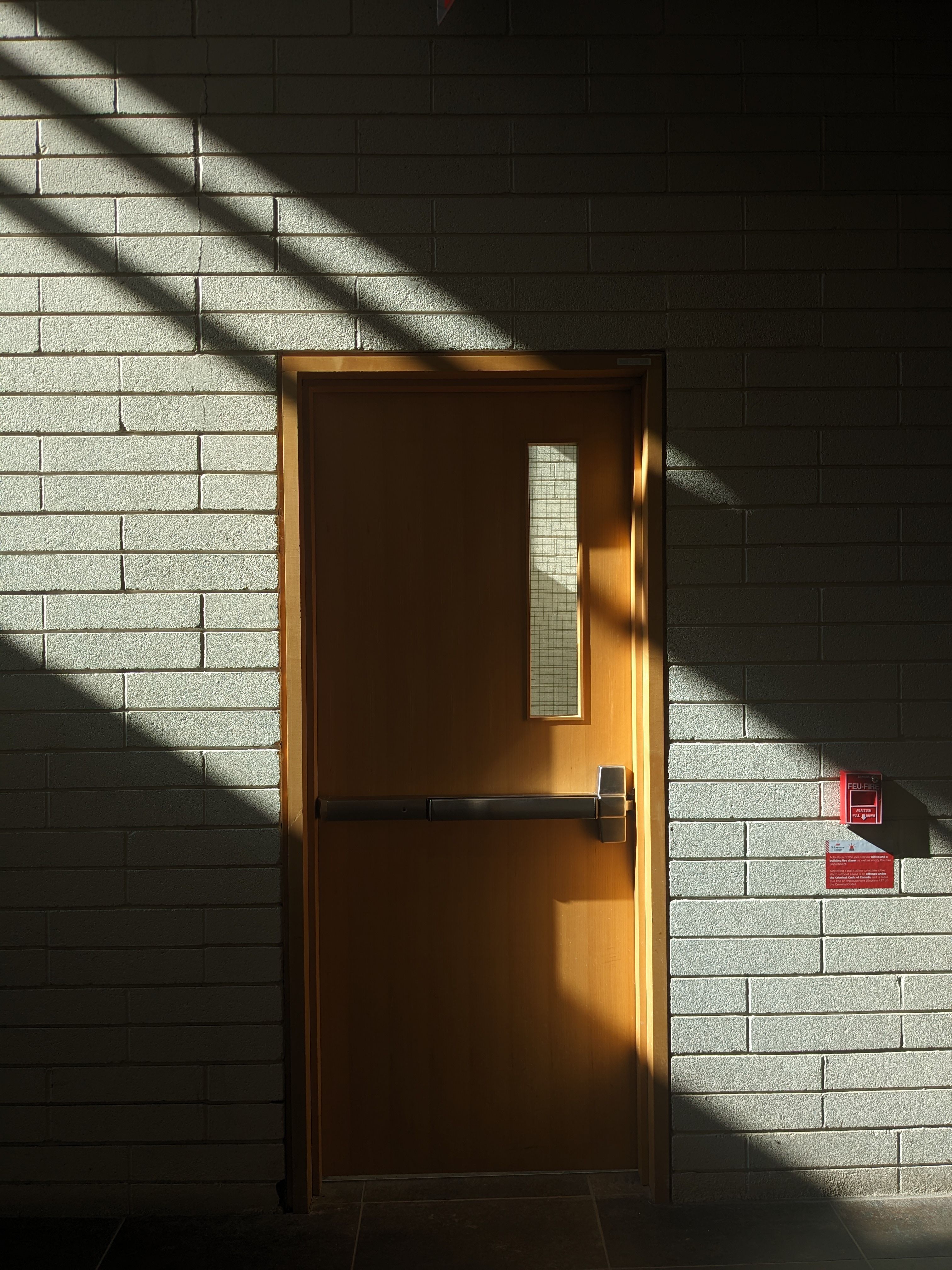

Can you Soundproof an Existing Fire Door?
Fire doors are essential safety features in any building, designed to prevent the spread of fire and smoke, saving lives and protecting property. However, we’re frequently asked: can you soundproof an existing fire door? It’s a fair question—particularly in environments where peace, privacy, and minimal noise disruption are also vital.
The answer is yes, to a point. It is possible to improve the soundproofing of a fire door, provided the right products and installation methods are used. However, it’s essential to maintain full compliance with fire regulations.
In this post, we’ll explore how soundproofing works on fire doors, the role of acoustic seals for doors, and how solutions like acoustic seal kits can enhance both fire safety and acoustic performance.
Why Fire Doors Don’t Naturally Block Sound?
Fire doors are robust, heavy, and tightly regulated. So, why do they still let noise through?
Here are three key reasons:
Necessary Gaps Around Fire Doors
For a fire door to function properly, there must be clearance gaps around its edges—usually 3mm to 4mm on the sides and top, and up to 10mm at the threshold (depending on door closer and regulations).
These fire door gaps allow:
• Smooth opening/closing
• Room for air pressure balancing
• Proper latch engagement for security and fire integrity
However, these very gaps are weak points for sound. Even small air spaces allow sound waves to pass easily, reducing the door’s ability to block noise transmission between rooms.
Material Focus on Fire, Not Sound
Fire doors are primarily designed for heat and flame resistance. The materials (typically solid timber cores, composite boards, or mineral infills) offer density, which does help block some sound—but they are not optimised to target specific sound frequencies, particularly low-frequency sounds like voices or machinery noise.
Without additional acoustic elements, sound can reverberate through the door leaf or escape around its edges.
Standard Smoke Seals Aren’t Always Acoustic Seals
Most fire doors feature smoke seals or intumescent strips around the frame. These expand in heat, sealing gaps during a fire. However:
• Traditional smoke seals alone don’t significantly reduce sound.
• They may be too rigid or fail to fully close the gap under normal conditions.
To effectively soundproof, you need dual-rated fire and acoustic seals that combine smoke/fire protection with flexible acoustic elements.
How to Soundproof an Existing Fire Door
Now that we know why fire doors allow noise through, let’s look at real, tested ways to improve soundproofing—without compromising safety compliance.
Upgrade with Acoustic Door Seals
Acoustic door seals are purpose-designed to reduce sound transmission while maintaining the door’s fire rating.
They’re made from flexible materials (often elastomeric polymers or silicone) that compress tightly against the door frame, filling gaps and preventing both air and sound movement.
Key features:
• Dual fire and acoustic testing (often rated up to 30-35 dB reduction)
• Some include intumescent cores that expand under heat
Benefits for existing doors:
• Easy retrofitting without altering the door leaf
• Significant improvement in blocking common noise frequencies (speech, office noise, machinery)
• No interference with door operation or closers
Considerations:
• Always ensure seals meet fire certification standards (BS 476 Part 22 or BS EN 1634-1)
• Installation must be precise—small gaps or misalignment reduce effectiveness
Use Complete Acoustic Seal Kits for Consistency
For maximum efficiency and compliance, many choose an acoustic seal kit rather than sourcing components separately.
A typical acoustic seal kit includes:
• Perimeter acoustic door seals for sides and head
• Acoustic drop seal for under-door gap along with a threshold plate
• Acoustic Fire & Smoke door seal, Dual blades
• Adhesives, fixings, and fitting instructions
• Fire-rated and acoustic-tested certification
Variations include:
• Acoustic seal kit single door: Tailored for standard-width doors (commonly 838mm to 926mm)
• Acoustic door seals for double doors: Designed to seal the gap where the doors meet and around the edges for better soundproofing.
Why choose a kit:
• Ensures all components are compatible and tested together
• Reduces installation errors
• Simplifies compliance documentation for building managers or contractors
Important:
Make sure the kit is tested to the same fire rating as your door (FD30, FD60, etc.) AND provides acoustic ratings (expressed in decibel reduction, e.g., 30dB or higher).
Fit an Acoustic Drop Down Seal to Seal the Bottom Gap
One of the largest sound leakage points is under the door.
The typical 10mm threshold gap, while necessary for airflow, is a pathway for noise.
A properly installed acoustic drop down seal solves this by:
• Sealing the bottom gap when the door is closed
• Automatically lifting or compressing when opened, preventing drag or resistance
• Often made of durable silicone or rubber
Acoustic drop down seals, when paired with perimeter seals, can increase the overall acoustic performance by several decibels.
Consider Acoustic Fire Door Seals for Specialist Performance
If you’re dealing specifically with certified fire doors and need guaranteed performance for both fire safety and soundproofing, acoustic fire door seals are the go-to solution.
What Makes Acoustic Fire Door Seals Different?
These seals are dual-rated:
• Fire Protection: Contain intumescent material that expands when exposed to heat, sealing gaps to prevent fire and smoke spread (FD30/FD60 compliance typically).
• Acoustic Performance: Feature flexible elements (silicone, elastomer, or brush profiles) that provide a tight seal in day-to-day use, reducing air and sound leakage.
They’re ideal for:
• Offices & meeting rooms where confidentiality is key.
• Hotels, hospitals & care homes requiring both fire safety and peace & quiet.
• Schools or universities with noise-sensitive areas
How Effective Are They?
When installed correctly, high-quality acoustic fire door seals can achieve sound reductions of 30dB to 35dB, depending on the door’s construction and surrounding materials. It might not completely block all noise (especially low-frequency sounds), but it significantly reduces disruptive noise like conversation, phones, or machinery.
Retrofitting Limitations: When Should You Replace the Door?
When upgrading seals, a complete acoustic door seal kit is an excellent solution for many existing fire doors, but there are times when retrofitting simply won’t deliver the results you need.
Consider a full replacement if:
The Door is Non-Compliant
If the door is too old, damaged, or doesn’t meet current fire safety regulations, adding seals won’t address the underlying issues. In these cases, it’s best to consider replacing the door with a purpose-built, modern fire and acoustic door. Learn how to recognise when your fire doors need to be replaced here.
Higher Acoustic Standards Are Required
While acoustic seals for doors offer solid improvements, certain environments (e.g., recording studios, cinemas) may require higher sound insulation ratings (above 40dB+). Retrofitting alone won’t achieve this—specialist acoustic fire doors with denser cores and advanced construction are needed.
In summary, it is possible to soundproof an existing fire door by using the right, compliant solutions. Fitting high-quality fire & acoustic door seals, an acoustic drop down seal, or a complete acoustic seal kit can greatly reduce noise while still keeping the door fire safe. It’s crucial to use certified fire and acoustic seals and make sure they’re installed correctly. However, if the door is old, damaged, or no longer meets current standards, replacing it may be the better option. Always put safety and compliance first when improving soundproofing.
If you’re looking to reduce noise without compromising fire safety, explore our range of certified acoustic door seals and acoustic seal kits. For tailored advice or help finding the right solution for your building, contact our expert team today on 0113 271 3266 or email sales@noberneseals.com.