Do Intumescent Strips Go On The Door Or The Door Frame?
If you work with fire doors — whether you’re installing them, maintaining them, or specifying them for a project — you’ll already know that the small details matter. One of the most common questions we’re asked is: Do intumescent strips go on the door, or on the frame?
It’s a simple question with a nuanced answer — and it matters more than you might think. In this article, we’ll explain the function of intumescent strips, where they should be positioned, and how proper installation impacts the performance of a fire door.

What Are Intumescent Strips?
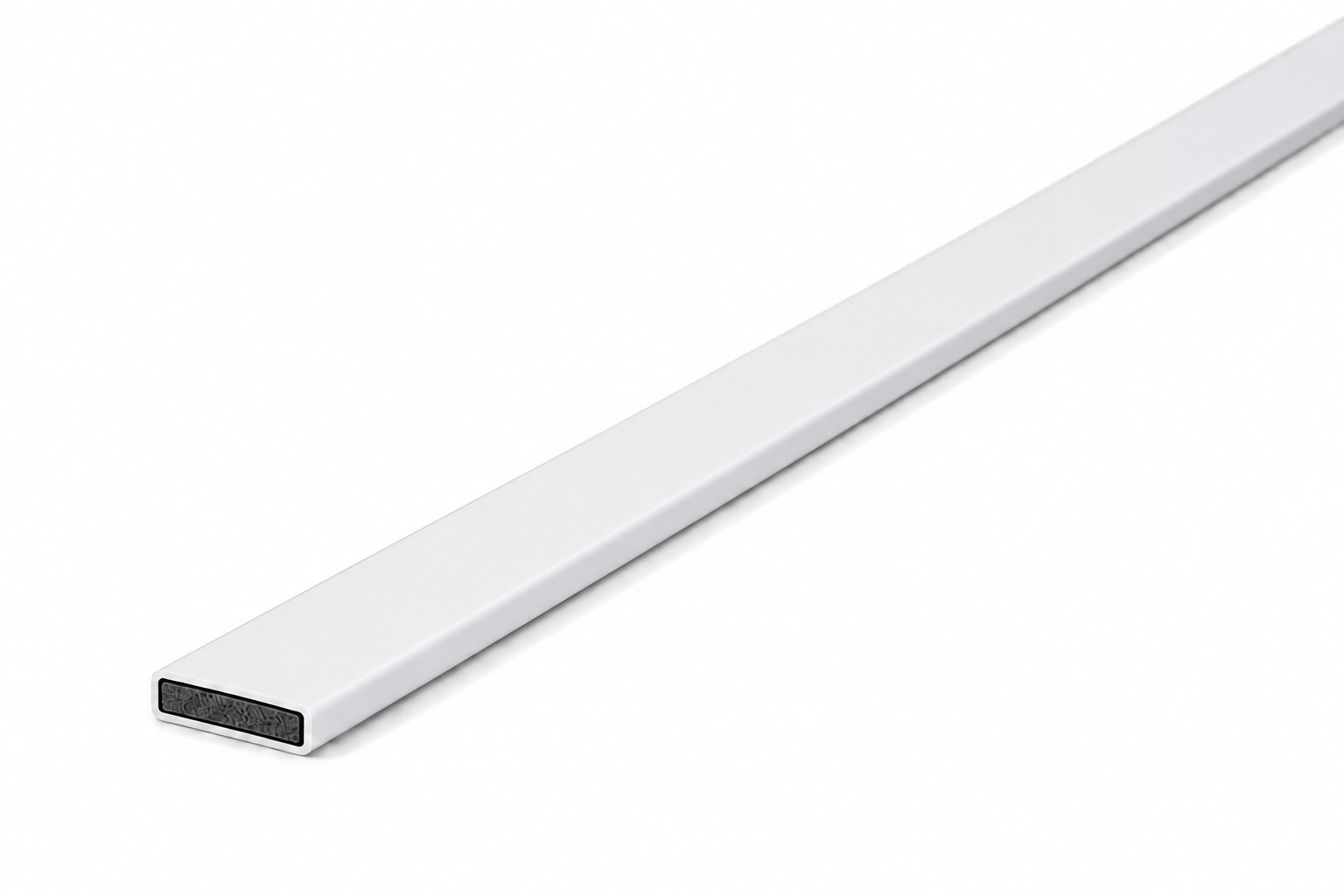
Intumescent strips are a key part of any effective passive fire protection system. They’re designed to seal the gap between the fire door and the frame when exposed to high temperatures. Once activated, the material expands — usually up to 10 or 15 times its original size — and fills the space, creating a barrier against fire.
They’re typically installed in either the edge of the door leaf or the frame itself. In some cases, you’ll also see fire and smoke seals combined — providing both fire and cold smoke protection in one integrated product.
If you’re looking to understand more about the science behind these materials, you can read our guide on what temperature intumescent strips activate and how they function in a fire scenario.
So, Do Intumescent Strips Go on the Door or the Frame?
The answer depends entirely on the fire door’s certification and the manufacturer’s guidance.
In many standard installations, intumescent strips are fitted into the edges of the door. However, some fire door sets are specifically tested and certified with the strips placed in the frame. What’s important is that the installation replicates the original tested configuration — this ensures the fire rating is valid and compliant with UK fire safety standards (e.g. BS 476 or EN 1634).
What’s important is that the strip is positioned in such a way that, when it activates, it seals the gap evenly between the door and frame — without any obstruction. Poor positioning can reduce the effectiveness of the seal, and in some cases, invalidate the door’s fire rating.
We supply a wide range of intumescent strips that are compatible with both frame and door applications, including versions that also incorporate intumescent strips and smoke seals for dual protection.

Best Practices & Common Mistakes To Avoid
When fitting intumescent strips to fire doors, precision matters. Strips are usually installed in pre-routed grooves — either in the frame or along the door edge, depending on the door-set design. Proper installation is crucial to maintaining fire safety and compliance.
Best Practices
• Always check the fire door’s certificate or datasheet before installation
• Use strips that match the fire rating (typically 30 or 60 minutes) and gap size
• Avoid painting over the strip — this can compromise its activation
• Inspect the seal regularly and replace if it becomes damaged or loose
• For doors requiring smoke protection, use a combined intumescent strip and smoke seal variant
Common Mistakes to Avoid
• Fitting strips on both the door and the frame
• Using the wrong size or type of strip for the door rating
• Damaging the strip during installation
• Incorrect installation — leaving gaps
• Installing smoke-only seals in a fire-rated door (or vice versa)
Correct installation not only ensures the door functions properly in the event of a fire but also contributes to overall safety standards in building design and construction.
Types of Intumescent Strips
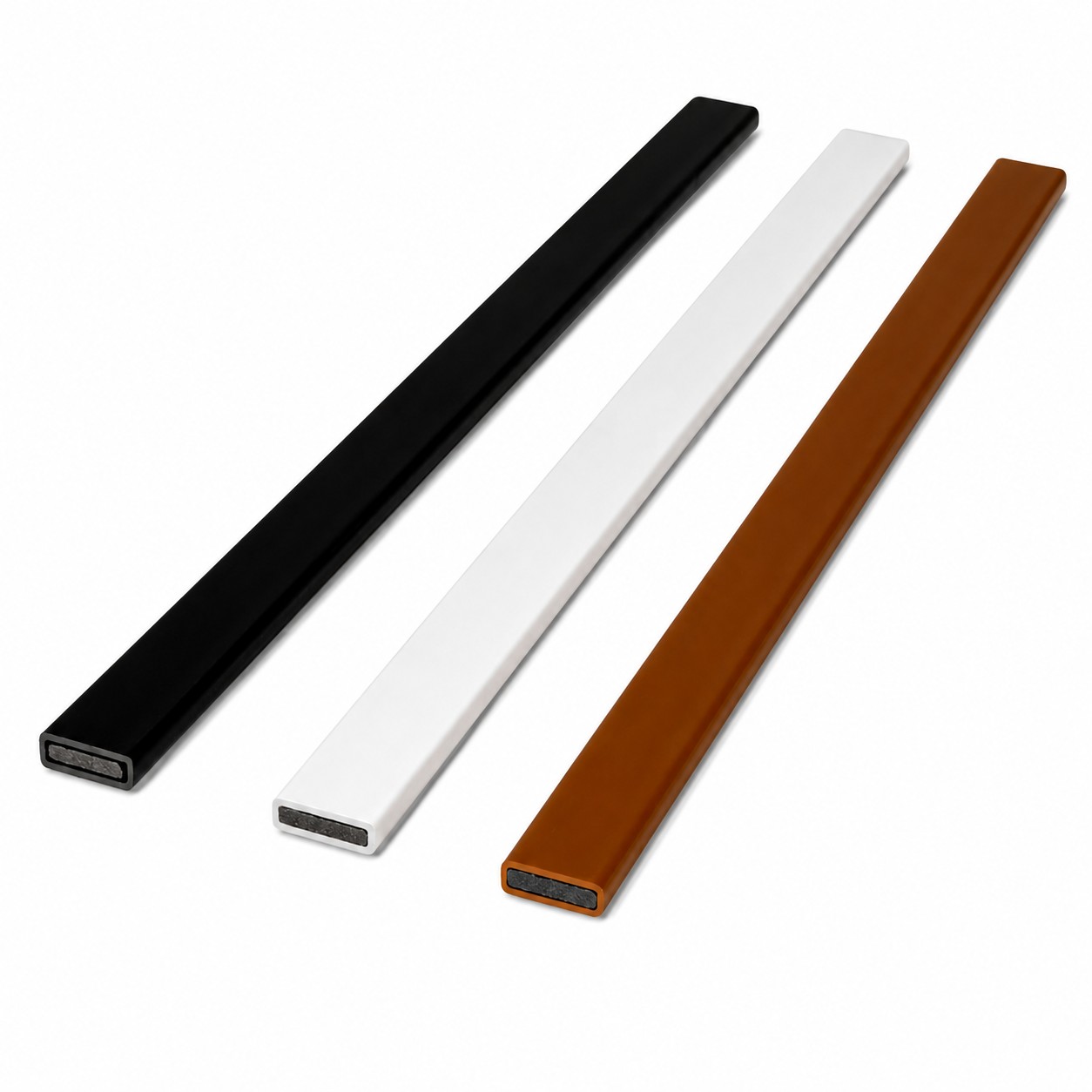
There are many types of intumescent strips, designed to suit different door styles, fire ratings, and performance needs. Some are slim and discreet, while others incorporate brush or blade seals to stop smoke from getting through.
You can explore our full range of intumescent strips, including brush-seal variants and retro-fit options. Many of our products are multi-functional — providing fire, smoke, and even acoustic protection in a single solution.
Choosing the correct type isn’t just about fire rating — it’s also about the door’s function and location. A hospital door, for example, may require both smoke and sound insulation, while a plant room door might only need fire containment.
Why This Matters for Compliance and Safety
Fire doors are tested as a complete assembly — that means the door, frame, seals, hinges, and other components are all certified together. Swapping a component, using the wrong seal, or fitting it in the wrong place can lead to a non-compliant door.
In commercial buildings, housing associations, schools, hospitals, and public facilities, this can result in failed fire inspections, legal liability, or worse — inadequate protection in the event of a fire.
So in summary, do intumescent strips go on the door or the frame? The answer is: either, but never both — and only in the location specified by the fire door’s certification. Correct placement, installation, and product choice are crucial to ensure full compliance and effective fire resistance.
At Noberne, we’re here to help you get it right. We offer a trusted range of intumescent strips and smoke seals, technical support, and guidance to ensure your installation meets the latest standards.
If you’re still unsure whether intumescent strips should be fitted to the door or the frame — or need help selecting the correct product for your fire door setup — Our expert team is here to help. Call us on 0113 271 3266 or email sales@noberneseals.com for tailored advice and guidance.