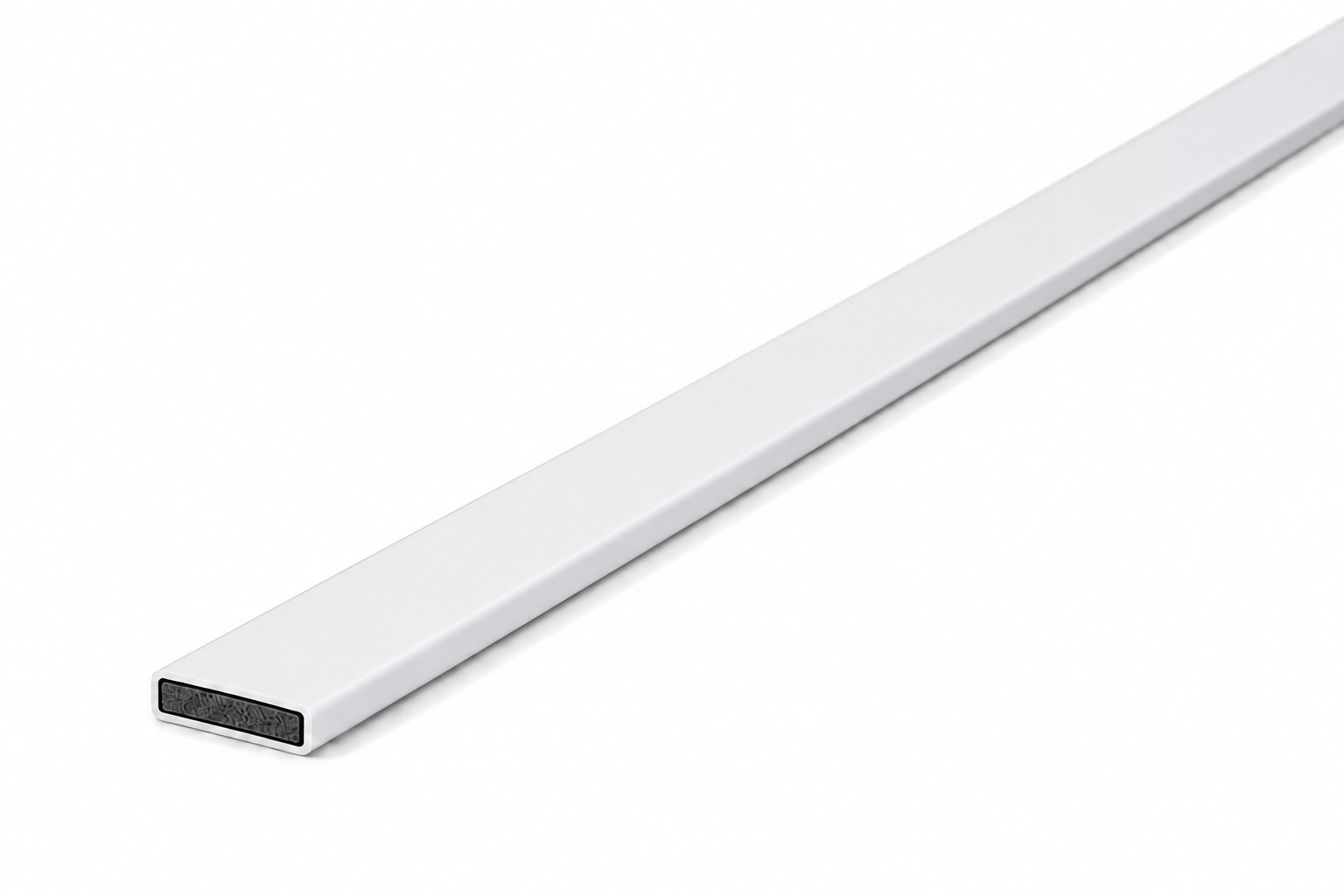

Do All Doors Need Threshold Plates?
Not every door needs a threshold plate, but more do than most people would assume. The question isn’t just whether a plate is required, it’s whether leaving one out would compromise the performance of the door assembly. For fire doors, acoustic doors, external entrances and high-traffic commercial openings, a threshold plate plays a direct role in how well the door does its job. This guide covers where they’re needed, where they’re strongly recommended and the situations where you can reasonably leave one out.

Do Fire Doors Need a Threshold Plate?
Fire doors are one of the clearest cases where a threshold plate isn’t just a helpful addition but forms a critical part of the sealing system. A fire door’s job is to contain smoke and flames within a compartment for a defined period and that performance depends on the entire perimeter of the door being properly sealed, including the bottom edge.
Most fire door assemblies use a drop-down seal at the threshold, which drops automatically every time the door closes to seal the gap between the door and the floor. On its own, a drop-down seal pressing against an uneven, worn, or inconsistent floor surface can leave gaps that compromise the seal’s effectiveness over time. A threshold plate solves this by providing a firm, flat, consistent surface for the seal to press against, ensuring reliable contact every time the door closes. This is explained in more detail in the guide on whether fire doors need drop-down seals, which covers the full regulatory picture for fire door threshold sealing.
The door’s fire and smoke seals cover the three sides of the perimeter and combining these with a threshold plate and a properly specified drop-down seal at the base gives the door assembly the best possible chance of performing as intended. Our guide on whether fire doors need strips and seals is worth reading alongside this one if you’re specifying a complete fire door assembly.
Do Acoustic Doors Need a Threshold Plate?
The threshold gap is one of the most significant weak points in any acoustic door assembly. Sound travels through the path of least resistance and an unsealed gap at the bottom of a door, however small, can substantially undermine the acoustic performance of the door above it. This is why acoustic doors are almost always specified with both a drop-down seal and a threshold plate. The plate gives the seal a consistent, level surface to close against, maximising contact along the full width of the door and keeping that contact reliable over time. Without one, the seal may be pressing against different floor materials, carpet that compresses unevenly, or a surface that wears down faster in the centre than at the edges, all of which reduce the effectiveness of the seal.
The Lorient LAS8001si Drop Seal is a strong example of an acoustic drop-down seal that performs best when paired with a compatible threshold plate, having been tested to 1,000,000 cycles and rated for both acoustic performance and 60-minute fire resistance. In environments like hotels, offices, healthcare buildings and schools where acoustic performance is part of the specification, pairing a seal from the acoustic door seals range with a compatible threshold plate should always be part of the complete door assembly.

When to Use a Threshold Plate Between Different Floor Surfaces
One of the most common practical applications for a threshold plate doorway solution is at the transition between two different floor materials. Carpet to hard floor, wood to tile, vinyl to stone – these transitions happen throughout commercial and residential buildings and without a threshold plate the join can be vulnerable to damage and potentially a trip hazard.
Covering the Join Between Two Floor Surfaces
A threshold plate covers the raw edge where one floor material ends and another begins, protecting both edges from fraying, lifting, or damage from foot traffic and wheeled equipment. This is particularly relevant in commercial environments where a carpet meets a hard floor in a corridor, or where a timber floor in one room meets ceramic tiling in another.
How Threshold Plates Help Prevent Trip Hazards at Doorways
Where there’s a slight height difference between two floor surfaces, that small step can become a trip hazard, particularly for wheelchair users, people with mobility aids, or older visitors. A threshold plate bridges that gap with a smooth, tapered profile that removes the abrupt edge entirely. In buildings subject to Approved Document M accessibility requirements, this isn’t just good practice, it’s a compliance consideration. A low-profile aluminium door threshold plate at just 6mm high can handle most transitions without creating any noticeable obstruction underfoot.
Do External and Entrance Doors Need a Threshold Plate?
External doors are one of the strongest cases for a threshold plate, whether or not a drop-down seal is used. The bottom of an external door is exposed to weather, rain getting in under the door, draughts and constant foot traffic. Without a plate, the floor at the base of the door is left unprotected and any seal is closing against a surface that may be uneven, damp, or wearing down over time.
A heavy-duty threshold plate provides a solid, even surface for the seal to close against. This helps reduce draughts, stops rain from coming in under the door and protects the floor on both sides. For outward-opening external doors, a raised profile plate is especially useful, as it creates a tight seal at the bottom of the door and helps prevent rain from being blown or running underneath in exposed conditions. The Lorient LAS4015 is designed specifically for this, offering durable protection against rain, draughts and light showing through gaps at the bottom of outward-opening doors.

Threshold Plates for High Traffic and Commercial Doors
In commercial buildings, the threshold of a heavily used door takes a significant toll. Trolleys, wheelchairs, cleaning equipment and constant foot traffic all pass over the same strip of floor throughout the day and a standard floor finish won’t hold up to that level of use without wearing down or becoming uneven.
Threshold Plates for High Traffic and Commercial Doors
A heavy duty threshold plate is built to withstand this kind of sustained use. Made from robust aluminium profiles, these plates distribute the load of wheeled traffic, resist wear and maintain a consistent surface for door seals to close against over thousands of cycles. In environments like hospitals, schools, hotels and retail spaces where doors are opening and closing constantly, a heavy duty plate is often the best specification.
When to Use a Wide Threshold Plates
For double doors, wider commercial openings, or industrial doorways, a standard-width plate won’t provide adequate coverage. A wide threshold plate ensures the full width of the opening is covered, maintaining performance and appearance across the entire threshold. The Raven RP137 150mm Heavy Duty Threshold Plate is designed for exactly this type of application, providing full coverage on larger commercial door frames while remaining low profile enough to meet accessibility requirements.
Meeting Doc M Requirements
Approved Document M sets out clear requirements around level access at doorways and a threshold plate is one of the most straightforward ways to meet them. The regulations require that floor level changes at doorways are minimised and that transitions are manageable for everyone, including wheelchair users and people with reduced mobility. A low-profile aluminium door threshold plate achieves this by creating a smooth, gradual transition rather than an abrupt edge that can catch wheels or trip people up.
Many plates in the Noberne range are designed to satisfy Doc M requirements while still delivering the sealing performance needed for acoustic and fire applications, so you don’t have to choose between compliance and performance. The Lorient LAS4011 and Lorient LAS4010 are both medium duty options at just 6mm high, making them a practical choice wherever accessibility and door performance need to work alongside each other
When Does a Door Not Need a Threshold Plate?
Not every door needs a threshold plate. If the flooring is the same on both sides of the door, the floor is in good condition and there’s no fire, acoustic, or accessibility requirement in play, a threshold plate isn’t adding much. A simple internal door between two rooms with matching flooring in a residential property is the most obvious example.
That said, it’s worth thinking about whether a door’s role might change down the line. A door that currently has no special requirements could end up being upgraded as part of a refurbishment and fitting a threshold plate retrospectively is more disruptive than including one from the start. If the door in question might eventually need acoustic performance added, our guide on whether you can soundproof an existing fire door covers what that kind of upgrade involves.

How to Choose the Right Threshold Plate for Your Door
The right threshold plate comes down to four things: what the door does, how much traffic it handles, how wide the opening is and what the floor materials are on either side.
Light Duty vs Heavy Duty
For internal doors in quieter locations, a light or medium duty plate is usually sufficient. A heavy duty threshold plate is the right choice for external doors, busy commercial environments and anywhere that sees regular wheeled traffic. The difference matters because a lighter plate will wear down quickly under sustained use, which undermines both the appearance and the sealing performance over time.
Width and Profile
Most domestic and light commercial doorways are well served by a standard width plate. Wider openings, such as double doors or industrial entrances, need a wide threshold plate to cover the full opening consistently. Profile height is equally important. Low-profile plates are the right choice where accessibility is a priority, while a raised profile provides a stronger seal against weather on external doors.
Compatibility With Door Seals
A threshold plate should always be chosen alongside the door seal it will support. Many plates in the Noberne range are tested and compatible with specific drop-down seal systems, so the two products work together reliably over the life of the installation rather than being specified independently and potentially not performing as well together.
Not all doors need a threshold plate, but most that carry a fire, acoustic, or accessibility requirement do and so does any doorway where two different floor surfaces meet or where the threshold takes heavy daily use. The plate gives door seals a reliable surface to close against, supports the overall performance of the door assembly and protects the floor on both sides of the threshold. Leaving one out might seem like a small saving, but it can quietly undermine everything else that’s been specified for that door.
At Noberne, we offer a comprehensive range of aluminium threshold plates to suit every application, from low-profile medium duty options for acoustic and fire assemblies through to heavy duty threshold plates built for demanding commercial environments. For more information or to get advice on the right plate for your project, contact a member of our team today on 0113 271 3266 or email us at sales@noberneseals.com.