

What are Intumescent Strips for?
Fire doors, glazed screens and escape corridors all depend on one thing: the gaps being sealed. The tiny clearances around a door frame that go unnoticed in daily life are exactly where fire, smoke and toxic gases find a way through and they do so far faster than most people realise. Intumescent strips are what stops that from happening. Unobtrusive in normal conditions and entirely automatic under heat, they’re one of the most quietly essential components in any fire-rated assembly. Understanding how they work, where they’re needed and how they fit into a broader passive fire protection strategy is worth knowing whether you’re specifying, installing, or maintaining them.
How Do Intumescent Strips Work?
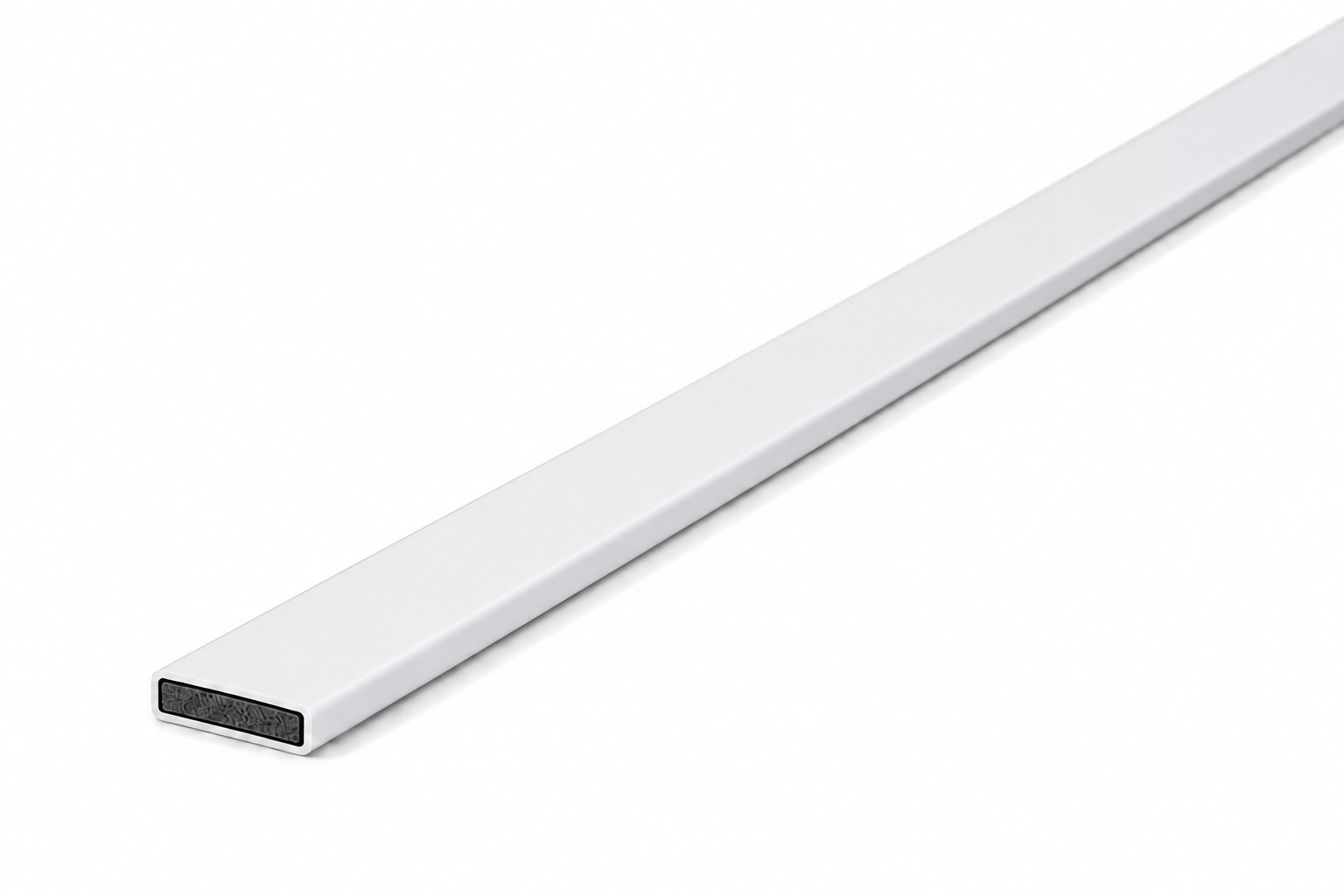
Intumescent strips are made from a material that responds to heat by expanding. Under normal conditions, the strip sits inside a groove or channel in the door edge or frame, taking up very little space and remaining invisible in day-to-day use. When exposed to the extreme temperatures generated by a fire, the intumescent material activates rapidly, swelling to anywhere between five and ten times its original size and in some cases up to twenty times, to form a dense, heat-resistant barrier.
That expansion fills the gap between the door leaf and the frame, cutting off the route through which flames and hot gases would otherwise travel. The entire process is automatic: no power supply or no manual intervention required. This simplicity is precisely what makes intumescent fire strips so reliable.
Where Are Intumescent Strips Used?
Intumescent Strips on Fire Doors
The primary application for intumescent strips is around fire doors. Fire doors are designed to compartmentalise a building, preventing fire from spreading between rooms, floors and escape routes by containing it within a defined area for a set period of time.
The door leaf and frame alone can’t achieve this without the gaps around them being properly sealed..
Intumescent fire strips are fitted into a rebate in the door or edge or the frame, ensuring that when temperatures rise, the entire perimeter of the door closes off
It’s worth noting that a fire door is only as effective as its weakest component. A high-specification door leaf fitted without intumescent strips in the correct position can’t achieve its fire rating, which is why intumescent strips are treated as a mandatory part of any compliant fire door assembly rather than an optional extra.
Intumescent Strips Around Windows and Glazed Apertures
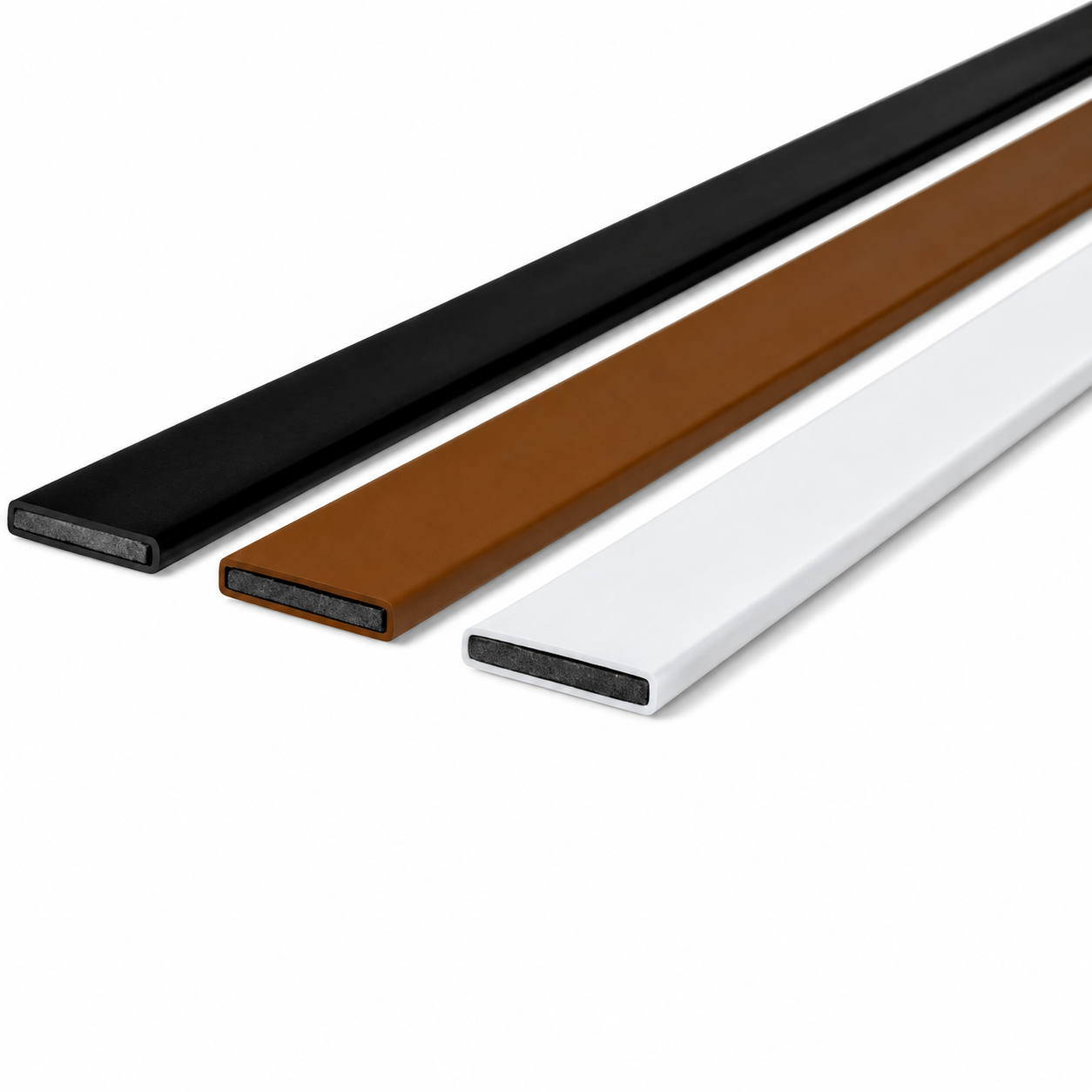
Where glass is incorporated into a fire door or fixed screen, the glazed section needs its own protection. A standard door-edge strip won’t do that job. Instead, a specialist intumescent glazing tape is fitted to the beads on either side of the glass. Under heat it expands to seal the gap between the glass and the frame, blocking fire from passing through that junction. Many fire-rated glass panes also contain intumescent interlayers within the glass itself, which swell under heat to add another layer of resistance.
Both the intumescent glazing seals around the glass and the intumescent strips around the door perimeter need to be correctly specified for the assembly to achieve its fire rating. One without the other leaves a gap in protection.
Standard Doors and Retrofit Applications
It’s worth being clear on this: fitting intumescent strips to a standard non-fire-rated door doesn’t make it a fire door. A compliant fire door assembly is the door leaf, frame, hardware, hinges and seals all tested and certified together as a complete system. Adding strips to a door that wasn’t built and rated as part of that system won’t bring it up to standard.
Where retrofit does apply is on existing certified fire doors where the strips have worn, compressed, or been damaged over time. A compromised strip means a compromised door, regardless of how sound everything else is, so like-for-like replacement using the correct specification for that particular door is essential. The width, depth and intumescent material all need to match the door’s original test evidence, so it’s always worth checking the door manufacturer’s datasheet before ordering.
30-Minute vs 60-Minute Fire Ratings Explained
Intumescent strips are specified according to the fire resistance rating of the door assembly they form part of. The two most common ratings are FD30 (30 minutes) and FD60 (60 minutes). These ratings refer to the performance of the complete door assembly, not the strip alone. The strip is one essential part of a system that includes the door leaf, frame, hardware and any additional seals.
An FD30 door has been tested to hold back fire and hot gases for a minimum of 30 minutes. An FD60 door provides twice that period. The rating required depends on where the door sits within the building, the building type, who occupies it and what the fire strategy or building control documentation specifies.
In most residential settings, FD30 is the standard for doors opening onto escape routes or common areas within flats. FD60 is more typically required in stairwells, plant rooms, higher-risk areas and across a range of commercial and public buildings. Noberne stocks intumescent fire strips across both ratings, with and without integrated smoke seals, to suit the full range of specifications.
How Intumescent Strips Work With Other Passive Fire Protection Products
Intumescent strips protect the perimeter of a fire door, but they’re one part of a wider system. A complete passive fire protection strategy involves multiple products working together, each covering areas the others can’t. Here’s how intumescent strips fit alongside the other key components.

Threshold Plates for High Traffic and Commercial Doors
In commercial buildings, the threshold of a heavily used door takes a significant toll. Trolleys, wheelchairs, cleaning equipment and constant foot traffic all pass over the same strip of floor throughout the day and a standard floor finish won’t hold up to that level of use without wearing down or becoming uneven.
Drop-Down Seals
Drop-down seals close the gap at the bottom of the door, the area intumescent strips don’t cover. They activate automatically when the door closes, dropping a seal down against the threshold to complete the protection around all four sides. Without one, the base of the door remains an open route for fire and smoke regardless of how well the perimeter is sealed.
Glazing Seals
Where a fire door has a glazed vision panel, intumescent glazing seals protect the junction between the glass and the frame. They expand under heat in the same way as the door’s intumescent strip. A glazed panel without the correct seals in place is a weak point in the assembly, even if everything else is right.
Pipe Collars and Intumescent Sealants
Passive fire protection extends well beyond door assemblies. Pipe collars are fitted wherever plastic pipes pass through fire-rated walls or floors. Under heat they expand inward, crushing and sealing the gap left as the pipe softens. Intumescent sealants and mastics fill smaller gaps around cables, conduits and service penetrations where strips or collars aren’t suitable.
What Is Passive Fire Protection?
Passive fire protection refers to fire safety measures that are built into the fabric of a building and work entirely on their own, with no power source, no activation system and no human intervention required.
They need no wiring, no sensor and no maintenance beyond regular inspection. They respond to heat and they do so consistently, regardless of whether an alarm has sounded or the power is on. That reliability is why passive fire protection sits at the foundation of any fire safety strategy. The Regulatory Reform (Fire Safety) Order 2005 sets out the legal duty on responsible persons to ensure passive protection measures are adequate and properly maintained across all non-domestic premises.

Do Intumescent Strips Meet UK Building Regulations?
Intumescent strips used in UK fire door assemblies must be tested and certified to recognised standards. The main testing standard is BS EN 1634-1, which covers fire resistance testing of door and shutter assemblies.
Third-party certification such as Certifire or the BWF Fire Door Alliance provides an additional layer of assurance. It confirms the product has been independently verified to perform as specified within a complete door assembly. When selecting intumescent fire strips, it’s important to confirm the product is certified for the specific door construction and frame material it will be used with. Performance can differ between timber and steel assemblies, so this isn’t something to assume.
Approved Document B of the Building Regulations sets out where fire-rated doors are required in England and Wales, what standards they must meet and how compartmentation should be maintained throughout a building.
How Often Should Intumescent Strips Be Inspected?
Intumescent strips need regular inspection to confirm they’re still in good condition and capable of doing their job. A visual check at least once a year is recommended as a minimum. Things to look for include compression damage, cracking, missing sections and any gaps in coverage around the door perimeter. A damaged or degraded strip should be replaced straight away. It can’t be relied upon to expand correctly under heat, which means the door can’t be relied upon either.
In buildings subject to the Regulatory Reform (Fire Safety) Order, checking the condition of fire door components, including intumescent fire strips, is part of the responsible person’s ongoing legal obligations. In multi-occupancy residential buildings, common area fire doors must be checked at least quarterly as of January 2023. Correct installation is just as important as regular inspection. Fitting intumescent strips to the wrong depth or in the wrong position is just as much of a problem as using a worn-out product.
Intumescent strips are small components that carry significant responsibility. When they’re correctly specified, properly fitted and kept in good condition, they do their job silently and automatically every time. When they’re not, no other part of the door assembly can make up for it. Getting them right is one of the most straightforward steps a building owner, specifier, or installer can take towards a fire door that will actually perform when it matters.
At Noberne, we stock intumescent fire strips across both 30-minute and 60-minute fire ratings, in a wide variety of profiles and finishes to suit timber and steel door assemblies of all types. To find out more or to get expert advice on the right product for your application, contact us today or call us on 0113 271 3266.


