
Where are Fire and Smoke Seals Required in Commercial Buildings?
Fire safety in commercial buildings involves much more than alarms and extinguishers. How a building is sealed to limit the spread of fire and smoke is just as important, and this is where fire and smoke seals come into play.
During a fire, smoke often spreads faster than flames and can be just as dangerous. Well-installed fire and smoke seals help slow the movement of heat and smoke through walls, floors and doorways. This gives occupants more time to evacuate and allows emergency services to respond more effectively. Knowing where these seals are required is a key part of maintaining a safe and compliant commercial building.
Understanding Fire and Smoke Seals and How They Work
Commercial buildings are usually designed with fire compartments to help slow the spread of fire. Fire and smoke seals play a key role in maintaining these barriers by closing off the small gaps around doors, frames and service penetrations that fire and smoke would otherwise pass through.
Smoke can move quickly through door gaps, corridors and openings, often spreading long before flames reach the same areas. That is why smoke seals are just as important as fire-resistant materials. When used together, fire and smoke seals form an essential part of a building’s passive fire protection system.
If you want a clearer picture of how these seals perform in practice, our last blog on are fire and smoke seals an effective barrier explains how they help control fire and smoke in real-world situations.
Fire and Smoke Seals for Fire Doors
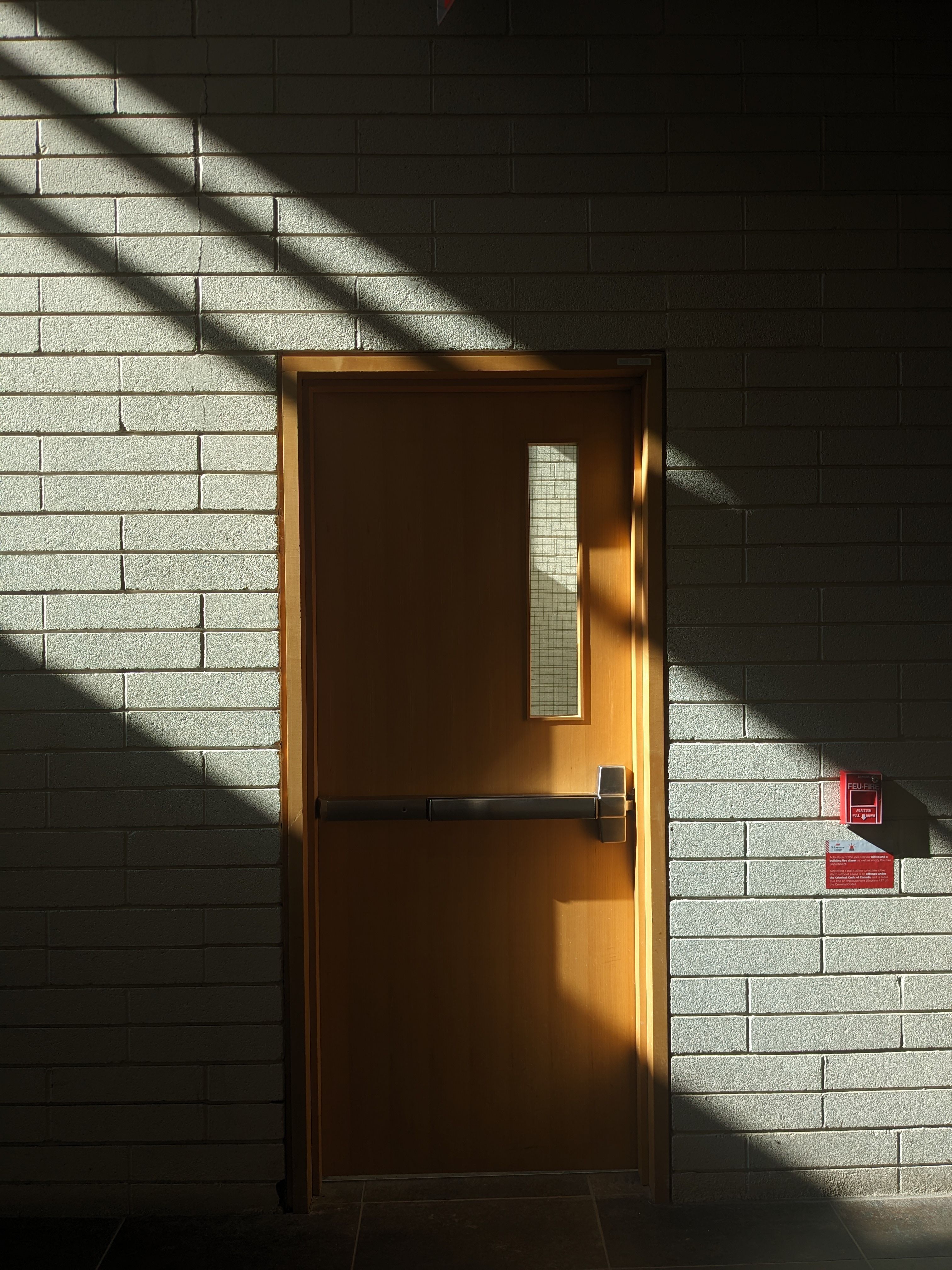
Fire doors are one of the most critical places where fire and smoke seals are used. Even small gaps around a door can allow smoke to spread quickly through a building, which reduces visibility and increases the risk for people trying to evacuate safely.
Fire door smoke seals are usually fitted into the door frame or along the edge of the door. When they are specified and installed properly, they close the gap between the door and the frame, helping to keep smoke and heat contained within a single area. This allows escape routes to stay clearer for longer and helps the door perform as it should in the event of a fire.
Fire and smoke seals are especially important on:
• Fire doors protecting escape routes
• Doors separating fire compartments
• Doors leading to higher-risk areas such as plant rooms
• Doors opening onto stairwells and corridors
Because door gaps are tightly regulated, even small installation issues can affect fire performance. If you want a clearer explanation of how spacing is controlled and why it matters, our guide on fire door gap regulations in the UK explains how correct clearances and the right seals work together to support fire safety and compliance.
Where Fire and Smoke Seals Are Required by Regulation
In the UK, commercial buildings must comply with Building Regulations and fire safety standards that require effective compartmentation. Fire and smoke seals are expected wherever doors or openings form part of a fire-resisting structure.
These requirements typically apply to:
• Fire doors within commercial premises
• Openings within compartment walls and floors
• Protected escape routes
• Service penetrations through fire-rated walls
Failure to install suitable fire and smoke seals can result in non-compliance, increased risk, and potential enforcement action. Ensuring the right seals are in place is a fundamental part of meeting fire safety responsibilities.
High-Risk Areas That Need Extra Fire and Smoke Protection
Some parts of a commercial building need a bit more attention when it comes to fire and smoke sealing. These are areas where people are more likely to be present during an emergency, or where fire and smoke could spread quickly if gaps are left unprotected. Making sure seals are correctly specified in these spaces can make a real difference to safety.
Typical high-risk areas include:
• Stairwells and entrance lobbies that form part of escape routes
• Corridors in offices, hotels and residential buildings
• Plant rooms and electrical cupboards where fire risk is higher
• Service risers and duct openings that pass through fire-rated walls
• Busy environments such as schools and hospitals with high daily footfall
In these locations, properly fitted fire and smoke seals help slow the movement of smoke, giving people more time to evacuate and helping escape routes stay clearer when it matters most.
Inspecting and Maintaining Fire and Smoke Seals for Ongoing Compliance
Even the best fire and smoke seals will not perform properly if they are damaged or poorly maintained. A quick visual check can often reveal early warning signs before performance is affected.
When inspecting seals, it helps to look out for common issues such as:
• Seals that are missing, damaged or starting to come loose
• Paint build up that could stop intumescent seals expanding properly
• Replacement seals that do not match the original fire rating
• Seals that look brittle, cracked or compressed from long term use
• Gaps around the door edge where the seal is no longer making contact
Keeping fire and smoke seals in good condition is an ongoing responsibility for building owners and facilities managers. Regular visual checks, combined with timely maintenance, help ensure seals continue to perform as they should and support fire safety and compliance throughout the life of the building.
In summary, fire and smoke seals play a quiet but crucial role in keeping people safe during a fire. By sealing gaps around doors, walls and service openings, they help slow the spread of smoke and heat, giving occupants more time to escape and reducing damage to the building. Knowing where these seals are needed, and making sure they are correctly fitted and looked after, is a simple but essential part of effective fire safety.
If you’re reviewing fire safety in a commercial building, explore our full range of fire and smoke seals and if you’re unsure which options are most suitable for your space or need a bit of guidance, our team is always happy to help.