Fire Door Safety Week 2026: Check It, Close It
Fire Door Safety Week takes place from Monday 21st to Friday 25th September 2026, raising awareness of the vital role correctly specified, installed and maintained fire doors play in protecting lives and property.
Organised by the British Woodworking Federation (BWF), this year’s campaign carries the message:
“Check it, close it: Protection starts at the door.”
Fire doors are an essential part of a building’s passive fire protection. When correctly specified, installed and maintained, they are designed to help restrict the spread of fire and smoke, protect escape routes and give occupants valuable time to evacuate.
At Noberne Seals, we support the aims of Fire Door Safety Week and the importance of correct product selection, appropriate test evidence and certification, correct installation and ongoing inspection and maintenance.
How Noberne Seals Supports Fire Door Safety
Noberne Seals has been supplying passive fire protection products since 1987.
We supply fire door manufacturers, installers, contractors, merchants, property professionals and other businesses throughout the UK with a wide range of passive fire protection products for fire door applications.
Our range includes products tested to relevant British and European standards, with many products supported by independent third-party certification such as CERTIFIRE and IFC certification.
Whether products are being selected for a new doorset or replacements are required as part of ongoing maintenance, it is important to check the relevant technical data, test evidence and certification to ensure that the product is suitable for the intended application.
Changes to Fire Door Testing Standards in England
An important change is approaching in the way fire doorsets are tested and classified for use under the Building Regulations in England.
Currently, Approved Document B recognises fire resistance classifications based on testing to BS 476-22 as well as the European classification route using BS EN 1634-1 testing and BS EN 13501-2 classification.
From 2 September 2029, the national BS 476 fire resistance classification route will be removed from Approved Document B, completing the transition to the European classification system.
This does not mean that existing fire doors tested or certified to BS 476 automatically become non-compliant on that date. Existing fire doors should continue to be appropriately inspected and maintained to ensure that they remain fit for purpose.
However, manufacturers, specifiers and others involved in new fire doorsets should be aware of the approaching change when considering test evidence and future projects.
Is BS EN 1634-1 More Demanding Than BS 476-22?
Although the two test methods have similarities, BS EN 1634-1 is generally regarded within the fire testing industry as the more onerous test.
There are important differences in the test conditions. BS EN 1634-1 uses plate thermocouples to control furnace temperature and has a lower neutral pressure plane than BS 476-22. This can result in increased thermal exposure during the early stages of testing and greater positive pressure over the upper part of the doorset.
The two standards also have requirements concerning the direction in which a doorset is exposed to fire during testing. Whether testing from one or both directions is required depends on the doorset construction, configuration and applicable rules, so it should not simply be assumed that all BS EN 1634-1 doorsets require testing from both sides.
For manufacturers and specifiers, the important point is to check the actual test evidence and field of application for the complete doorset and its components rather than relying on a product description alone.
Fire Door Safety Week 2026 also includes a programme of free webinars covering fire door testing, specification, responsibilities and other aspects of fire door safety.
5 Fire Door Safety Checks
Fire Door Safety Week is an ideal opportunity to take a closer look at the fire doors in the buildings you use or manage.
While a detailed fire door inspection should be undertaken by a competent person where required, there are some basic signs that everyone can look out for.
1. Check the certification
Look for a certification label, plug or other identification on the door. This can help identify the manufacturer, fire rating and certification associated with the doorset.
2. Check apertures and alterations
Look at glazing, letterplates, air transfer grilles and other apertures in the door.
Alterations to a fire door can affect its performance, so components should be appropriate for the particular fire doorset and installed in accordance with the relevant test evidence and manufacturer’s instructions.
3. Check the gaps and seals
Check the gap around the door leaf and frame and look for missing or damaged intumescent seals and smoke seals.
The permitted gap can depend on the particular doorset and its test evidence, so the manufacturer’s instructions and certification should always be followed.
Damaged, painted-over, missing or incorrectly fitted seals should not simply be ignored.
4. Check the door closer
Where a fire door is required to be self-closing, check that the closer shuts the door fully into its frame from an open position.
The door should close correctly without having to be pulled or pushed shut.
5. Check how the door operates
The door should open and close correctly and should not be damaged or obstructed.
Fire doors that are required to remain closed should never be wedged or propped open.
If you notice a damaged fire door, missing seals or hardware, excessive gaps or a door that does not close properly, report it to the person responsible for fire safety within the building.
Why Fire Door Seals and Ironmongery Protection Matter
A fire door is more than simply the door leaf.
Its performance depends on the complete doorset and the compatibility of its components, including the frame, seals, glazing system and ironmongery.
Intumescent Fire Door Seals
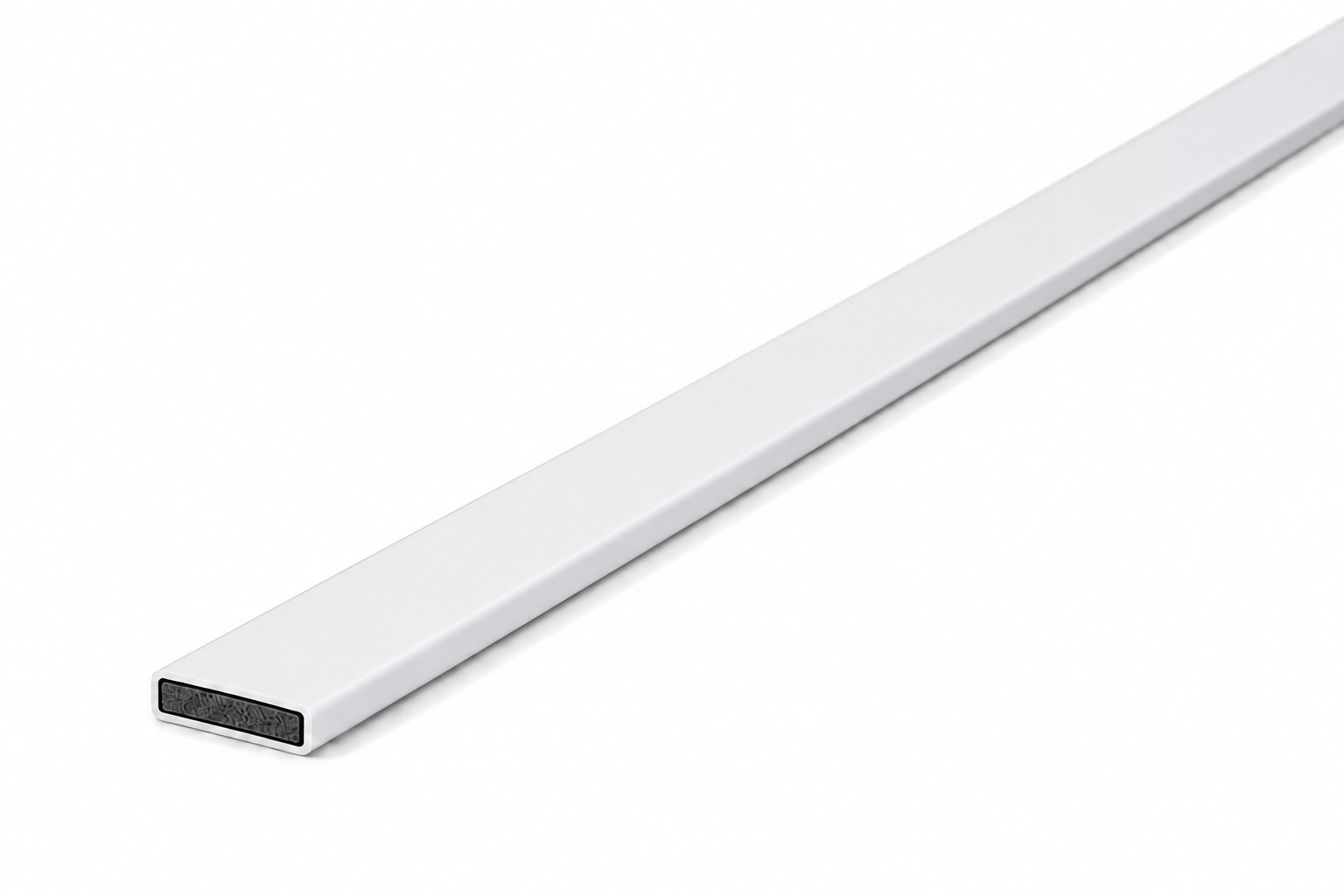
Intumescent fire door seals are designed to expand when exposed to elevated temperatures, helping to seal the gap between the door leaf and frame during a fire.
Depending on the doorset specification, combined fire and smoke seals may also be required to restrict the passage of cold smoke.
Noberne Seals supplies a comprehensive range of intumescent fire seals and fire and smoke seals in different sizes and configurations for use in suitable fire door applications.
Intumescent Hinge Protection
Ironmongery such as hinges can affect the fire performance of a doorset, which is why appropriate intumescent protection may be required depending on the tested doorset specification.
Our range includes FlexiFire Graphite Intumescent Hinge Pads for suitable 30 and 60-minute timber fire door applications.
We also supply Interdens (MAP) Intumescent Hinge Pads, available with self-adhesive backing and supplied in packs of 100, with supporting fire test and certification information available for applicable uses.
Lock and Ironmongery Protection
Locks and other items of ironmongery can require additional intumescent protection as part of a tested fire doorset.
Our Interdens (MAP) Ironmongery A4 Sheets with S/A can be cut and shaped to provide protection around suitable items of ironmongery, subject to the requirements of the relevant doorset test evidence and certification.
Intumescent Letterplate Protection
Creating an aperture for a letterplate can affect the integrity of a fire door if the correct fire protection is not incorporated.
Noberne Seals supplies the Intumescent Letterplate 12″ Defender Range – 30 Minute Rated, designed for use in appropriate fire door applications and available in a range of finishes.
Fire Door Safety Is Everyone’s Responsibility
From the manufacturer and specifier through to the installer, building manager and end user, everyone has a part to play in ensuring fire doors can perform as intended.
Fire Door Safety Week is a useful reminder to:
• Check fire doors for obvious signs of damage or incorrect operation.
• Never wedge a fire door open where it is required to remain closed.
• Check seals and ironmongery are present and in good condition.
• Report damaged or defective fire doors.
• Use appropriate products supported by suitable test evidence and certification.
• Follow the doorset manufacturer’s instructions when replacing components.
• Keep appropriate records of inspection and maintenance.
Check it. Close it. Protection starts at the door.
Need Fire Door Seals or Passive Fire Protection Products?
Noberne Seals has been supplying passive fire protection products since 1987, including intumescent fire door seals and smoke seals, fire rated glazing products, fire door hinge protection, lock and ironmongery protection and other specialist fire door hardware.
Call Noberne Seals on 0113 271 3266, email sales@noberneseals.com or visit our Contact Us page to get in touch We are always happy to Help!